

Spanish Classes for Primary Schools: Language, Culture and Learning Children Enjoy
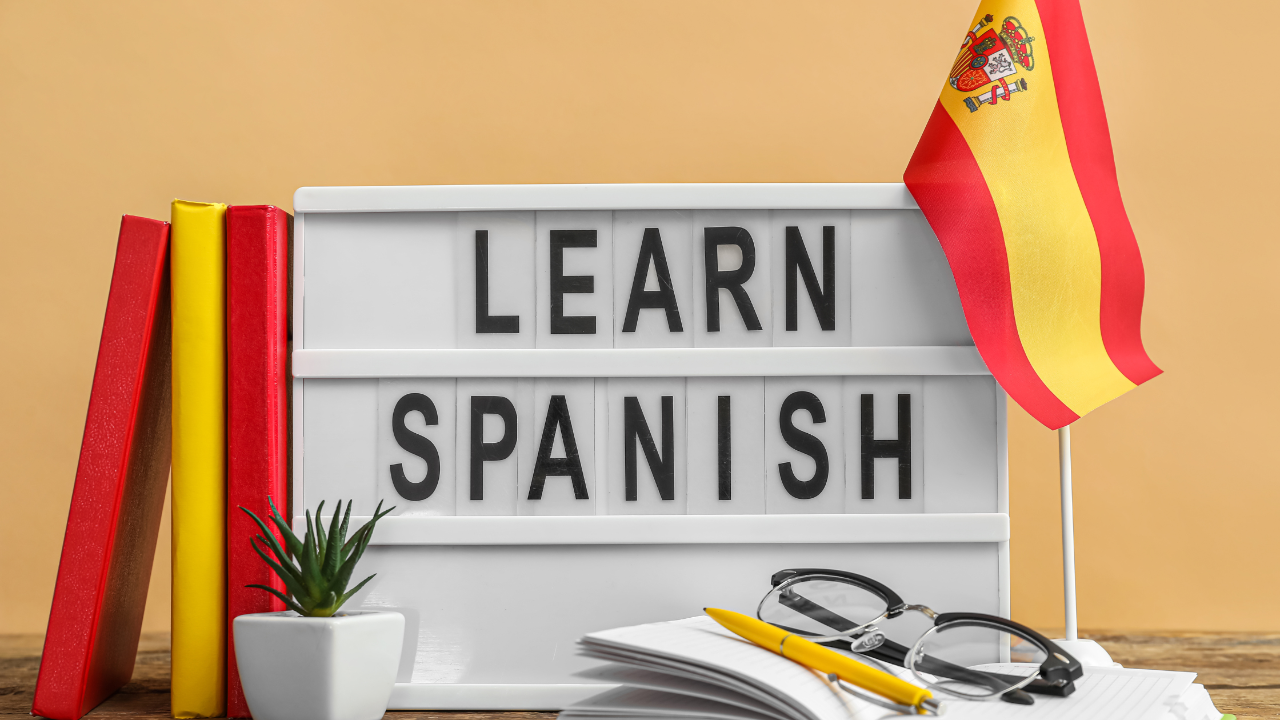
Spanish classes for primary schools should give children more than a list of words to memorise. They should help pupils listen, speak, ask questions and discover the people and cultures connected to the language.
At El Recreo Spanish, we bring Spanish into primary schools through stories, songs, games and practical activities. Our curriculum has been developed and refined through ten years of teaching children. It gives pupils opportunities to enjoy Spanish while building their skills over time.
What do children learn in our primary school Spanish classes?
Children learn to understand and use Spanish in age-appropriate ways. Depending on their year group and previous experience, a lesson might include listening to a story, responding to a question, practising a short conversation, reading familiar words or creating a sentence of their own.
Games and creative activities have a purpose in that process. They give pupils reasons to repeat language, listen to one another and try again. A child who is hesitant to speak may first join in with a song or a group response, then become ready to use a phrase independently.
We also introduce children to cultures across the Spanish-speaking world. Stories, music and everyday topics help pupils connect the words they learn with the people who use them.
How do the lessons support the National Curriculum?
In England, the Key Stage 2 languages programme of study includes listening, speaking, reading, writing, vocabulary and an understanding of language patterns. Our Key Stage 2 Spanish teaching is planned to support these areas.
For example, children might hear and repeat new language in a story, use it to ask and answer questions in a game, and later recognise or write it in another activity. Returning to familiar language helps them build on what they already know.
We can also introduce younger pupils to Spanish through playful, age-appropriate experiences. Spanish is not a statutory National Curriculum subject at Key Stage 1, so we shape those sessions around the school’s aims and the children’s stage of development.
Why include culture in a Spanish lesson?
Spanish is spoken in many countries and communities. Exploring that wider world gives children a richer reason to learn the language.
A story set in Colombia, a song or an activity about family traditions can prompt children to notice both familiar experiences and new perspectives. We want pupils to feel curious, make connections and understand that learning Spanish helps them communicate with people.
Culture is woven into our lessons rather than saved for a single celebration. That approach makes it a natural part of learning the language.
What makes the El Recreo Spanish approach different?
El Recreo Spanish has spent ten years developing and using its own curriculum in children’s classes. We combine a planned learning journey with the activities children enjoy: storytelling, movement, games, songs and creative work.
We believe children learn well when they feel able to take part. Our lessons create repeated opportunities to hear Spanish, try it aloud and use it with others. Pupils can have fun while working towards a clear learning goal.
For schools, this means Spanish provision that considers both curriculum progression and children’s experience of the lesson.
Could Spanish classes work in our school?
Yes. The best starting point is a conversation about your pupils, their experience of Spanish and what your school wants to achieve. We can discuss year groups, lesson format and how Spanish would fit into your school day.
Whether you are introducing Spanish or reviewing your current provision, we would be pleased to explain our approach and explore what would work for your setting.
Contact El Recreo Spanish to enquire about Spanish classes for your primary school.
Frequently asked questions
Are Spanish lessons compulsory in primary schools in England?
A foreign language is a statutory National Curriculum subject at Key Stage 2 in local-authority-maintained primary schools in England. Spanish is one of the languages a school may choose to teach. Languages are not statutory at Key Stage 1.
Do children need to know any Spanish before joining?
No. Lessons can introduce beginners to Spanish through listening, speaking and playful activities. Where pupils have already learned some Spanish, teaching can build on their existing knowledge.
Are your lessons only about speaking Spanish?
No. Speaking is important, but our Key Stage 2 approach also creates opportunities for listening, reading, writing and noticing how Spanish works. The balance of activities depends on the pupils’ age and stage.
Do children learn about Spanish-speaking cultures?
Yes. Cultural discovery is part of our approach. Children encounter stories, traditions and everyday experiences from across the Spanish-speaking world alongside the language they are learning.
Are you inspired to join our team and start your own Business with El Recreo Spanish?
Stay connected with news and updates!
Join our mailing list to receive the latest news and updates from our El Recreo Spanish Classes and learning resources.
Don't worry, your information will not be shared.
We don't like SPAM. We will never sell your information, for any reason.
